

Why Lithium-Ion Battery Capacity Fades and How to Slow It Down

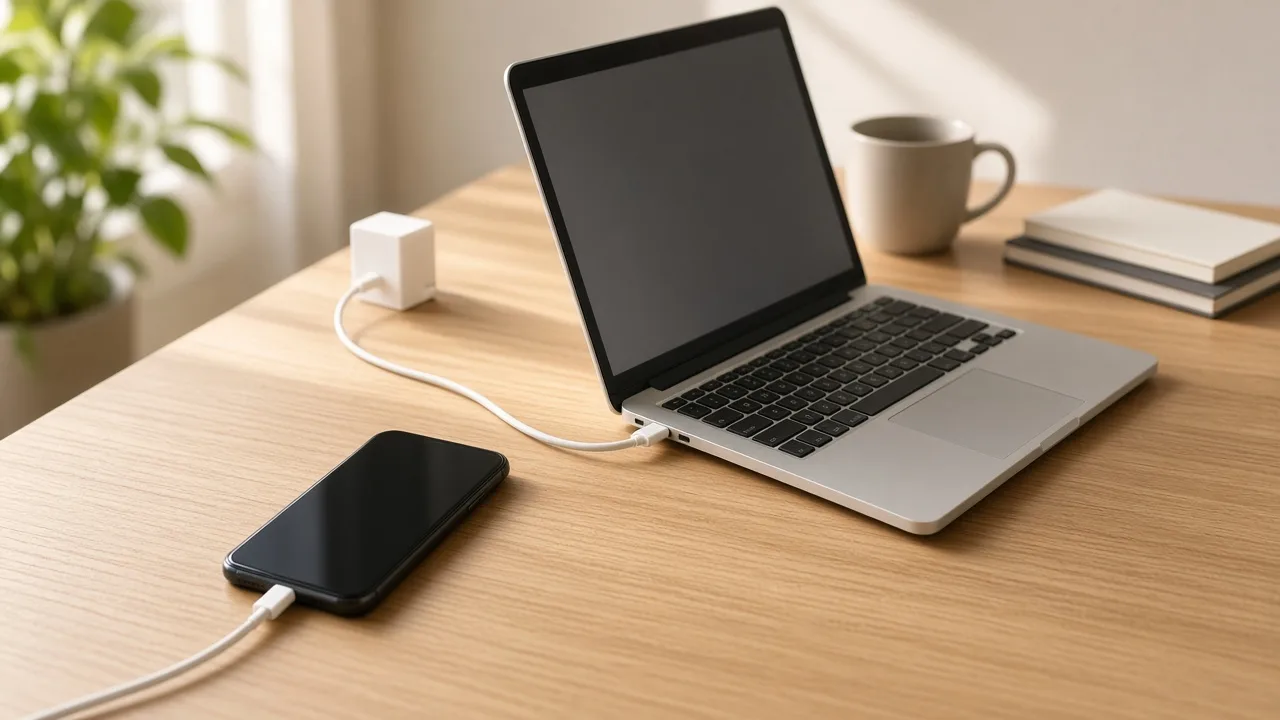
Every rechargeable battery gradually loses capacity. A phone that once lasted a full day now needs a midday top-up, or an electric bike that managed forty miles now struggles to reach thirty. This decline is normal chemistry rather than a defect, but how quickly it happens depends heavily on how a battery is used and stored.
What Is Happening Inside the Cell
Capacity fade has several overlapping causes. On the anode, a thin layer called the solid electrolyte interphase forms during the first charges and continues to grow slowly, consuming lithium that can no longer carry charge. Repeated expansion and contraction of electrode materials can crack particles and break electrical contact. At the cathode, structural changes can reduce the number of sites that hold lithium ions. Together these effects mean less usable lithium and higher internal resistance over time.
The Main Accelerators of Wear
Heat
High temperatures speed up nearly every unwanted reaction in the cell. A phone left on a dashboard or a battery charged in a hot room will age faster than one kept at ordinary room temperature. Heat is the most common and most avoidable cause of premature battery wear.
High State of Charge
Holding a battery at 100 percent increases stress on the electrodes, particularly when it is also warm. Many laptops, phones and electric vehicles now offer settings that limit charging to 80 or 90 percent for everyday use, which can noticeably extend life.
Deep Discharge and Fast Charging
Running a battery to zero regularly puts additional strain on the cell, and very fast charging generates more heat and can promote lithium plating on the anode, especially in cold conditions. Fast charging is fine when you need it, but it does not need to be the default.

Habits That Help
- Keep devices out of hot cars and direct sun, and remove thick cases if a device runs warm while charging.
- Use a charge limit setting if your device offers one, and enable optimized or scheduled charging overnight.
- Try to keep daily use between roughly 20 and 80 percent when convenient, without worrying about occasional full cycles.
- Avoid charging when a battery is very cold; let it warm to room temperature first.
- Use certified chargers and cables that match the device's rating.
- For storage, leave packs partly charged and in a cool place.
Do Not Overthink It
Batteries are designed to be used. A phone that is charged to 100 percent now and then or an e-bike pack that is run down on a long ride is not ruined. The goal is to reduce chronic stress from heat and extreme charge levels, not to micromanage every percentage point. Most modern devices include battery management systems that already protect against the worst conditions.
When to Replace a Battery
Many manufacturers consider a battery worn once it holds around 80 percent of its original capacity. If runtime is no longer acceptable, a replacement battery is often cheaper than a new device. Choose replacements from the manufacturer or a reputable supplier, and recycle the old pack through a proper drop-off program rather than throwing it away.
Comments are closed.