


Many people have heard advice to keep a lithium-ion battery between 20 and 80 percent. Does it matter? The answer is that it can help extend battery life, though the effect depends on the device and how it is used. Understanding why batteries age will help you decide which habits are worth following.
Why Batteries Wear Out
Every charge and discharge causes small chemical changes inside a lithium-ion cell. Over time, the cell loses some capacity and its internal resistance rises. Stress accelerates this process, and the main stressors are high temperatures, very high states of charge and very deep discharges. Cells held near full charge, particularly in a warm environment, tend to age faster than those kept at moderate levels.
The Case for the Middle Range
Charging to a lower upper limit and avoiding running to empty reduces voltage stress on the cell. Laboratory studies and manufacturer guidance generally show that partial cycles, such as using between 20 and 80 percent, cause less wear per unit of energy than full 0 to 100 percent cycles. The benefit is more noticeable over several years than in a few months.
It Is Not All or Nothing
You do not need to be strict. Charging to 100 percent before a long trip or a day when you need maximum range is perfectly fine. The key is to avoid sitting at full charge for long periods, especially in the heat. Occasional deep discharges are not harmful in the way that constant ones are.
Heat Is the Bigger Enemy
- Do not leave devices in hot cars or in direct sun.
- Remove thick cases if a phone runs hot while charging.
- Avoid using a laptop on a soft surface that blocks ventilation.
- Let a hot battery cool down before charging it when possible.
Built-In Battery Features
Many phones, laptops and electric vehicles include settings that limit the maximum charge level or delay charging until shortly before you need the device. Optimized or adaptive charging can learn your routine, hold the battery at a lower level overnight and finish just before you wake up. Using these features is an easy way to follow good practice without thinking about it.
Electric Vehicles
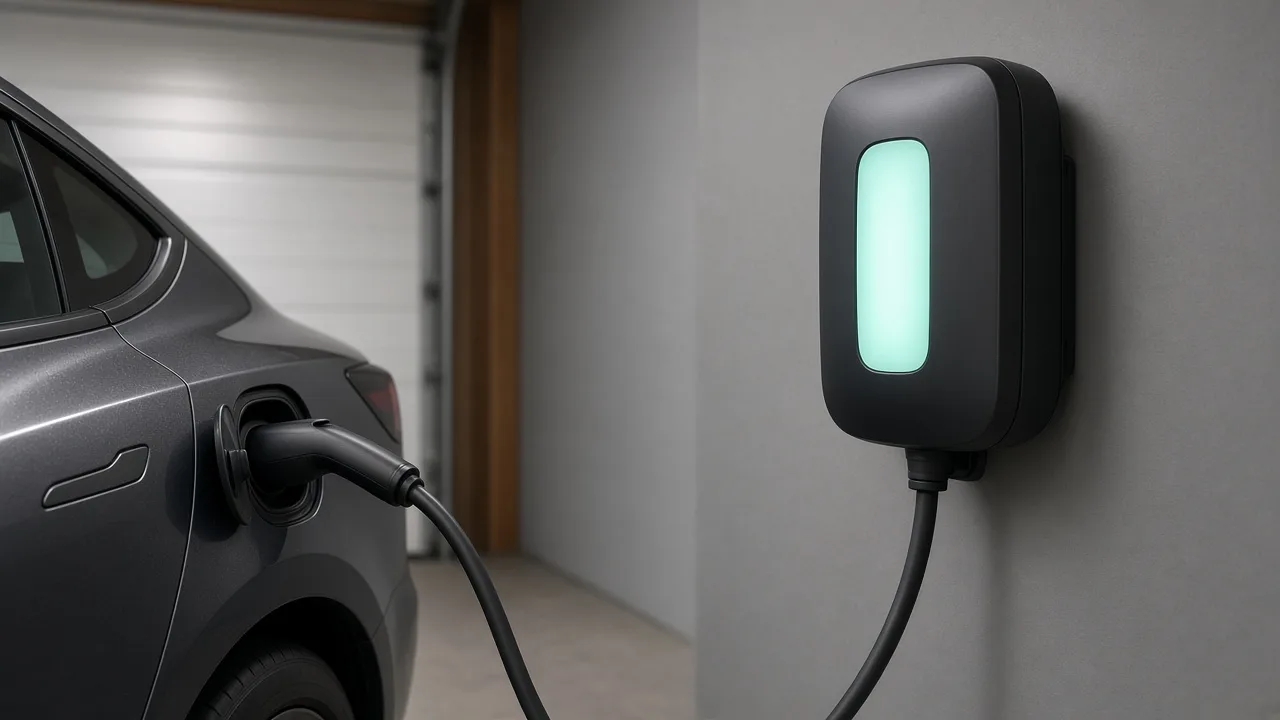
Most vehicle manufacturers advise setting a daily charge limit, often around 80 or 90 percent for nickel-based packs, and reserving full charges for trips. Some LFP packs are designed to be charged to 100 percent regularly, so check the owner's manual for your model. Frequent fast charging can also add stress, so use slower charging when time allows.
Storage Tips
If you store a device or battery for months, leave it at a partial charge, such as around 40 to 60 percent, and keep it in a cool, dry place. Check it occasionally to ensure the charge has not dropped too low.
Myths Worth Dropping
A few beliefs persist from older battery technology. Modern lithium-ion batteries do not have a memory effect, so there is no need to run them to zero to recalibrate them. Overnight charging is generally safe because charging circuits stop when the battery is full, although keeping a device warm at full charge for many hours is not ideal. Unplugging a phone as soon as it hits 100 percent will not make a noticeable difference for most people, so choose habits that are convenient enough to follow.
Practical Takeaways
- Avoid prolonged time at 100 percent and at 0 percent.
- Keep the battery cool.
- Use manufacturer charging limits and optimization tools.
- Replace the battery when its capacity no longer meets your needs rather than worrying about small improvements.

Comments are closed.