


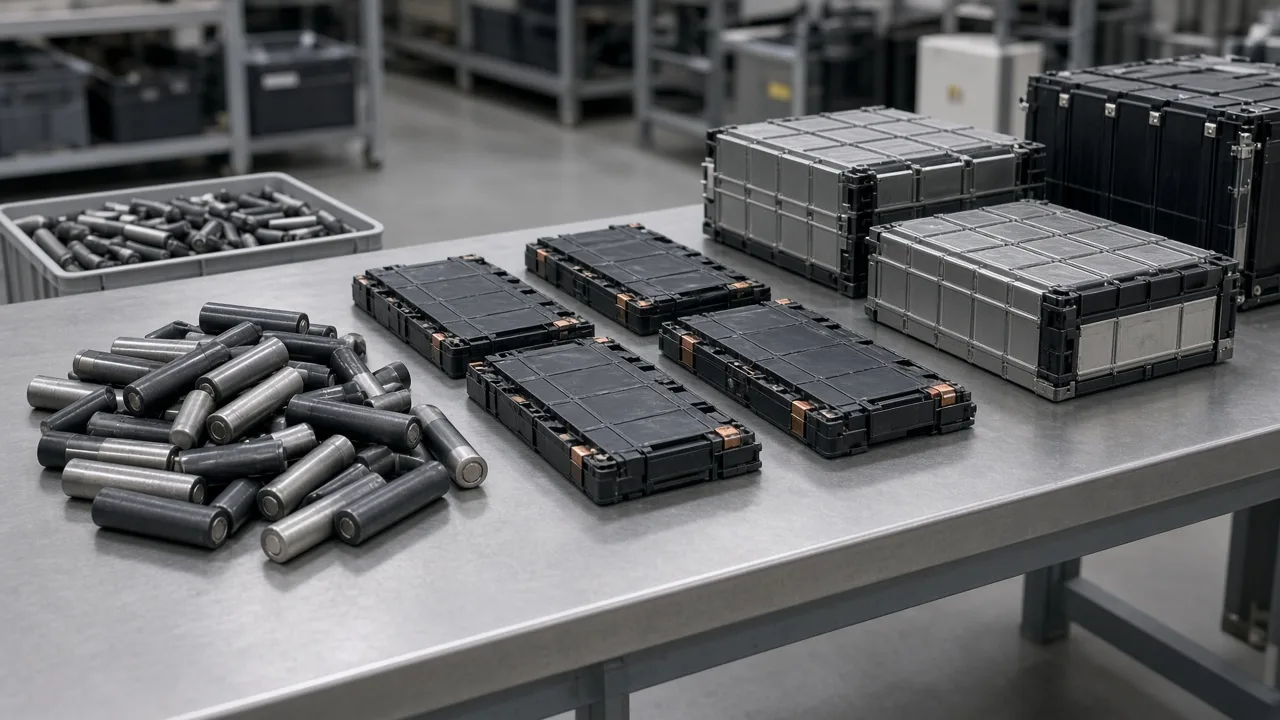
Lithium-ion batteries power phones, laptops, power tools, electric vehicles and grid storage systems. As the number of batteries in use grows, so does the number reaching the end of their life. Recycling them recovers valuable materials, reduces the need for new mining and lowers the risk of fires and pollution from improper disposal. The process, however, is more complex than recycling paper or aluminum.
Why Recycling Is Needed
Battery cells contain metals such as lithium, cobalt, nickel, manganese and copper, along with graphite and aluminum. Mining and refining these materials requires large amounts of energy and has environmental and social impacts. Recovering them from used batteries can supply part of future demand. Safety is another driver: damaged lithium-ion cells can overheat and ignite, which is why they should never be thrown into household trash or curbside recycling bins.
Collection and Transport
The process starts with collection from consumers, retailers, vehicle dealers and manufacturers. Batteries are classified by chemistry and condition, and damaged or defective units require special handling and packaging. Transport rules for lithium batteries are strict because of the fire risk, and collection partners must follow shipping and storage regulations.
Main Recycling Methods
- Pyrometallurgical processing. Batteries are heated at very high temperatures in a smelter. Metals such as cobalt, nickel and copper are recovered as an alloy, while other materials, including lithium, may end up in slag unless additional steps are used.
- Hydrometallurgical processing. Batteries are usually discharged, shredded and treated with chemical solutions that dissolve the metals, which are then separated and purified. This approach can recover a wide range of materials, including lithium.
- Direct recycling. The goal is to recover cathode material and refurbish it without breaking it down into elements. It is being developed and may retain more of the value of the original material, though it requires careful sorting by chemistry.
Shredding and Black Mass
Many processes produce an intermediate powder known as black mass, which contains the cathode and anode materials. Black mass is then refined into battery-grade metals or compounds. The quality and composition of this material determines its value and the methods required to process it.
Challenges
- Variety of designs. Cells and packs differ widely in shape, chemistry and construction, which complicates automation and disassembly.
- Economics. Recovery value depends on commodity prices and on how much cobalt and nickel a battery contains. Lower-cobalt chemistries can be harder to recycle profitably.
- Logistics. Collecting small batteries from households is difficult, and large packs are heavy and hazardous.
- Safety. Stored batteries can create thermal runaway risk if damaged.
Second Life Before Recycling
Some electric vehicle batteries still hold substantial capacity when they are retired from a car. They may be reused in stationary storage before eventually being recycled. Testing and certification are essential to confirm that a used pack is safe and performs as expected.
What Consumers Can Do
- Take old batteries and devices to retailer drop-off bins or household hazardous waste programs.
- Tape the terminals of loose batteries or place each one in a separate bag to prevent short circuits.
- Do not puncture, crush or burn batteries, and keep swollen units away from heat.
Rules and programs differ by region, so check local requirements for battery disposal.

Comments are closed.