

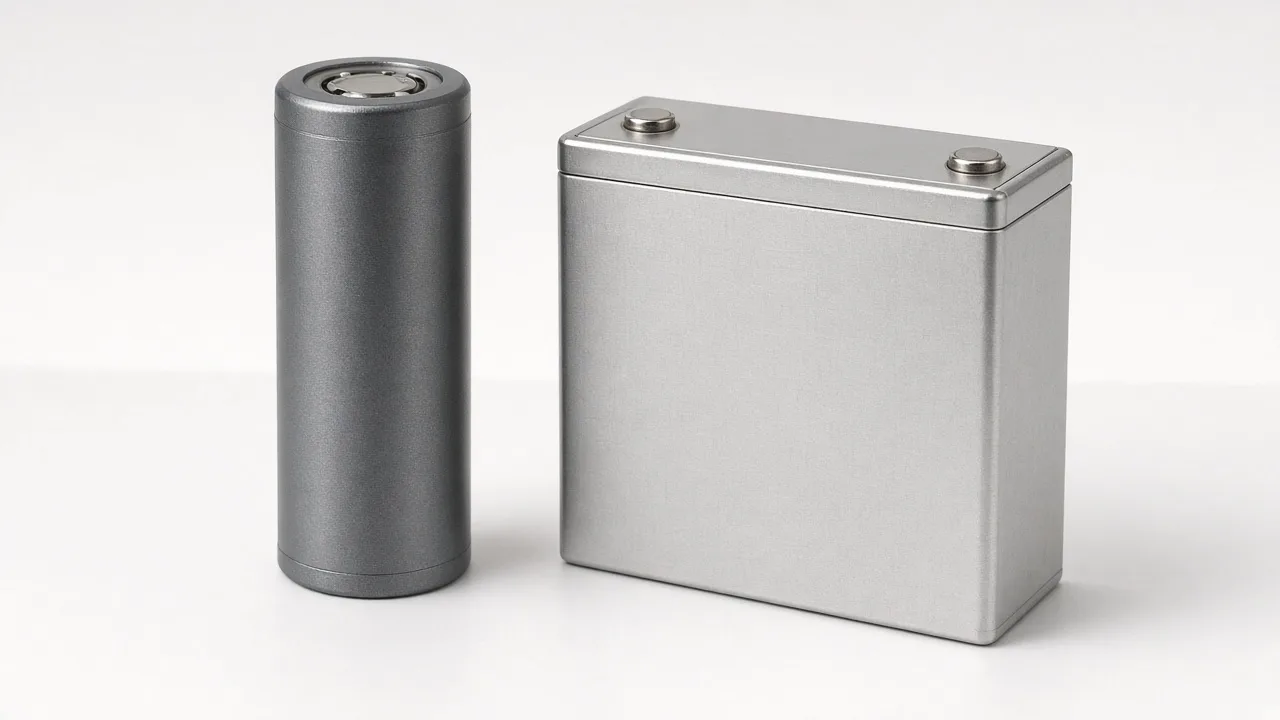
Not all lithium-ion batteries are the same. The materials in the cathode shape how much energy a cell can store, how long it lasts, how safe it is and how much it costs. Two chemistries dominate many applications today: lithium iron phosphate, known as LFP, and nickel manganese cobalt, known as NMC. Each has strengths that make it a better fit for certain uses.
What the Names Mean
Both are lithium-ion technologies that move lithium ions between a cathode and an anode, usually made of graphite. In LFP cells, the cathode is lithium iron phosphate. In NMC cells, the cathode is a layered oxide containing nickel, manganese and cobalt in various proportions, such as NMC 622 or NMC 811, which indicate the ratios of the metals.
Energy Density
NMC generally stores more energy per kilogram and per liter, which means a lighter and more compact battery for the same capacity. That advantage helps in vehicles where range, weight and space are priorities. LFP has lower energy density, so a pack of equal capacity is usually larger and heavier, although improvements in cell and pack design have narrowed the gap.
Cycle Life and Longevity
LFP is known for long cycle life. Many LFP cells are rated for thousands of full charge cycles, and they tend to tolerate deep and repeated cycling well. NMC cells also last for many years in well-managed systems, but they can degrade faster under high temperatures and high states of charge. Real-world life depends on temperature, charging rates, depth of discharge and battery management.
Safety
LFP has a more stable chemical structure and is generally less prone to thermal runaway than NMC. It tolerates abuse better and releases less oxygen when stressed. Properly designed NMC packs can be safe, but they rely on careful engineering, thermal management and protection systems.
Cost and Materials
LFP does not use nickel or cobalt, which are more expensive and have more volatile supply chains. This can reduce cell cost and lessen exposure to price swings. NMC's higher metal content raises costs, though it also gives recyclers more valuable materials to recover.
Cold Weather Performance
Both chemistries lose some performance in cold conditions, but LFP can be more affected in terms of power and charging speed at low temperatures. Heating systems and preconditioning are commonly used to manage this.
Typical Applications
- LFP: stationary storage, standard-range electric vehicles, buses, backup power and solar batteries.
- NMC: long-range electric vehicles, high-performance applications, and portable electronics where space is limited.
What to Watch Next
Researchers and manufacturers continue to improve both families of batteries. Higher-manganese LFP variants, sodium-ion cells and solid-state designs are among the technologies being developed to reduce cost or improve energy density. Announcements often take years to reach large-scale production, so it is wise to evaluate real products and independent test data rather than early claims. For buyers, the most useful questions concern warranty coverage, real-world range or capacity retention, and how the manufacturer handles end-of-life collection.
Which Is Better?
There is no single winner. The best choice depends on priorities such as range, weight, price, lifetime and safety margins. Manufacturers also continue to refine both chemistries, and new variants are appearing. When comparing products, check the specifications for cycle life, warranty terms and operating temperature range rather than relying on the chemistry label alone.

Comments are closed.