


Contents
Catching business from Tamil Nadu’s auto companies
Tamil Nadu may soon become a hub for recycling Lithium-ion (Li-ion) batteries, and one of the largest e-waste recyclers, Attero Recycling, is planning to start a 16,000 mt capacity plant in Dharmapuri district.
With an investment of ₹400 crore and proximity to Chennai (also known as the Detroit of India), Attero hopes to capture all the available business from the large number of car manufacturers in the country that will switch to manufacturing electric vehicles before long. . Of course, Li-ion battery sources are not limited to one sector and come from many other electronic and component streams.
Nitin Gupta, CEO and Co-founder of Attero, said he chose Tamil Nadu to set up the second plant for several reasons. The suggestion came from the industry itself and he, too, found that with the port easily accessible, the government of the business-friendly state and the availability of educated and skilled human resources, it was an ideal choice. According to him, the Attero factory will generate direct employment for 400 people and indirect employment for 4,400.
The company expects the plant to be operational in the first quarter of 2023 and says this will increase its recycling capacity to 16,000 MT by 2024 from the current 3,500 MT. And with the EV ecosystem penetrating the country, the mix of e-waste Li-ion batteries that are available for processing may also change.
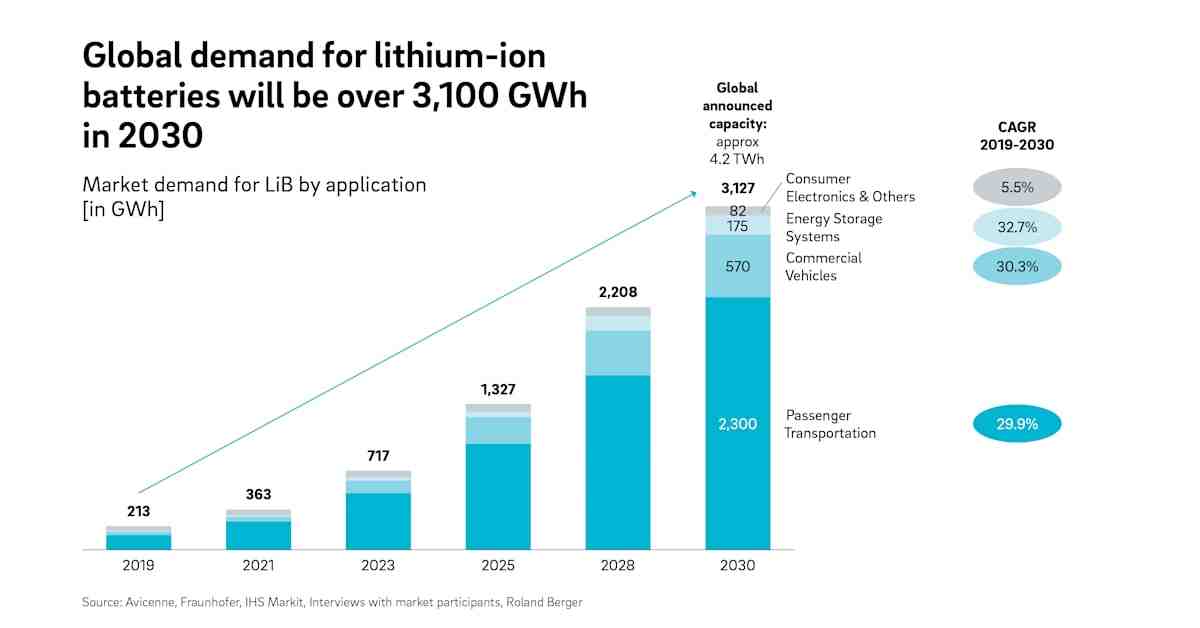
Gupta explained that currently 60 percent of that comes from energy storage (read telecom towers), 25 percent from EVs and 15 percent from consumer electronics. He, however, expects this to change in three to five years with Li-ion EV batteries dominating 70 percent.
However, Attero plans to tap an additional source of waste that the country does not yet have—single lithium cells that generate waste during manufacturing. For this purpose, Attero plans to set up mega recycling facilities in Poland (Europe), Ohio (USA), and Indonesia, where it has provided an investment of $1 billion, and aims to recycle more than 3,00,000 mt of Li-Ion batteries . waste per year by 2027.
Highest recycling efficiency rate
Gupta is very proud of his huge contribution to the circular economy, both in terms of technology and scale. He pointed out that Attero utilizes proprietary and globally patented Avant-grade recycling technology and has the highest RER in the world (Recycling Efficiency Rate) at 98 percent. It recycles all types of end-of-life Li-Ion batteries (LFP, various NMC, LCO, LTO LMO etc.), factory waste, and black mass and extracts from them pure lithium carbonate, cobalt, graphite, nickel, manganese among other.
“Our material is purer and better than what is mined,” he asserted and said 90 percent of automobile companies in India are his clients who will be served by the Tamil Nadu investment.
You May Also Like
Recommended for you
What is the estimated recycling rate for lithium?
With batteries becoming a staple in the future of clean energy, this number is set to grow exponentially, potentially reaching 9 million tons per year by 2040. Despite the increased battery waste, the rate of battery recycling is considerably low. now it is estimated to be only 5%.
How efficient is lithium recycling? On average, about 50% of lithium-ion batteries can be effectively recycled.
How much lithium is recycled per year?
The number of lithium-ion batteries available for recycling in 2020 is 460,000 metric tons – a large number compared to previous years. By 2025, the market for recycling is expected to grow to $12.2 billion. After that, it should remain at an estimated growth rate of 8%.
Can lithium be 100% recycled?
Lead-acid batteries are quite mature in recycling technology and the waste battery industry, while lithium-ion batteries are still in their infancy. There are no recycling requirements or regulations for lithium-ion batteries. The reutilization of lithium-ion batteries is still in its infancy.
What year will we run out of lithium?
FastMarkets confirms Lowry’s fears with Global Lithium, but suggests that supply will collapse by 2026.
How many lithium-ion batteries are recycled every year?
Although it is often stated that only 5% of lithium-ion batteries are recycled, a review of research on the second life and recycling of lithium-ion batteries shows that this is a gross understatement. A new study found nearly 100,000 tonnes of waste batteries were recycled last year – around half of those reaching end-of-life.
Is lithium easily recycled?
Unfortunately, it is not easy to recycle lithium ion batteries. Lithium is flammable, making it a dangerous material to recycle and because of that, you can’t simply add lithium ion batteries to your normal recycling bin.
Can the lithium in lithium-ion batteries be recycled?
While lithium batteries can be recycled, lithium ion batteries are more complex. The recycling process of lithium ion batteries can be dangerous if not properly recycled, as their components make them flammable.
Can lithium be recycled and reused?
All Li-ion battery components have value and can be recovered and reused.
Can lithium be 100% recycled?
Lead-acid batteries are quite mature in recycling technology and the waste battery industry, while lithium-ion batteries are still in their infancy. There are no recycling requirements or regulations for lithium-ion batteries. The reutilization of lithium-ion batteries is still in its infancy.
What percentage of lithium is recycled?
Although lithium supplies are smaller, a study earlier this year in the Journal of the Indian Institute of Science found that less than 1 percent of Lithium-ion batteries are recycled in the US and EU compared to 99 percent of lead-acid batteries, which. most often used in gas vehicles and electric networks.
What percentage of a lithium ion battery is recyclable?
However, the recycling rate of lithium-ion batteries is still low at under 5%. The main reason for this is the cost and complexity of recycling methods. Three main methods are used to recycle lithium-ion batteries. Direct recycling, pyrometallurgy, and hydrometallurgy.
How efficient is lithium battery recycling?
Current recycling processes recover approximately 25% to 96% of lithium-ion battery cell material.
Can lithium be 100% recycled?
Lead-acid batteries are quite mature in recycling technology and the waste battery industry, while lithium-ion batteries are still in their infancy. There are no recycling requirements or regulations for lithium-ion batteries. The reutilization of lithium-ion batteries is still in its infancy.
What happens to old lithium car batteries?
Old EV batteries may not be optimal for driving but can still store energy. Even as a secondary-life battery fully degrades after various uses, minerals and elements like cobalt, lithium, and nickel are also valuable and can be used to produce new EV batteries.
What happens to electric car batteries at the end of life? EV batteries will slowly lose capacity over time, with current EVs averaging around 2% of range loss per year. Over the years, the driving range can be noticeably reduced. EV batteries are serviceable and the individual cells inside the battery can be replaced if damaged.
What does Tesla do with old batteries?
Any battery that does not meet the customer’s needs can be serviced by Tesla at one of our service centers around the world. None of our scrapped lithium-ion batteries go to landfill, and 100% are recycled.
What happens to Tesla batteries after 8 years?
8 years or 120,000 miles, whichever comes first, with a minimum of 70% battery capacity retention during the warranty period. This warranty covers repairs or replacements necessary to correct defects in materials or workmanship of any part manufactured or supplied by Tesla, which occur under normal use.
Where do old Tesla car batteries go?
But eventually the batteries, and the toxic chemicals that can come out of them, can end up in dangerous landfills. There are no EV battery recycling plants in California, and only five are up and running nationally, according to CalEPA.
What happens to old batteries from electric cars?
Electric vehicle manufacturers envision a three-stage life cycle for batteries. Materials such as lithium, cobalt and nickel are harvested from old batteries to make new ones. Materials such as lithium, cobalt and nickel are harvested from old batteries to make new ones.
Can lithium batteries for cars be recycled?
Today, you can recycle lithium car batteries, and this is the best way to minimize the mining of new raw materials, but they are not as easy to recycle as the conventional lead-acid batteries that are usually found in cars.
Are lithium car batteries being recycled?
Now, when you replace technology like your EV or storage battery, recycling the old one is a chore. You can find certified electronics recyclers through the EPA website. Alternatively, some manufacturers like Tesla will take back their lithium ion batteries at the end of their life for recycling.
How much of a lithium car battery is recyclable?
How many lithium ion batteries can be recycled? On average, about 50% of lithium-ion batteries can be effectively recycled.
Why are lithium batteries not recyclable?
A lithium battery pack contains a module that contains cells, and these cells are where precious metals are found. Accessing these cells manually can be done but is tedious, and automation is required for high volume processing. “It is a little more challenging to recycle these materials,†says Nehrenheim Northvolt.
How do they recycle batteries from electric cars?
The California Lithium-ion Battery Recycling Advisory Group is made up of vehicle manufacturers, recyclers and environmental experts. The aim is to ensure that the batteries that come out of electric vehicles will be recycled or reused in other electric vehicles or to store energy for the grid.
Are electric car batteries easily recycled?
Battery parts for electric vehicles can be recycled, but the recycling industry isn’t ready to handle it, says Josipa Petrunic, president and CEO of the Canadian Urban Transit Research and Innovation Consortium.
How do electric car batteries get disposed of?
When the battery no longer provides the desired range for the car, it may have a decade of use for electricity storage, according to the report. But sooner or later, most batteries must be dismantled and recycled – or disposed of as hazardous waste.
What happens to old batteries from electric cars?
Electric vehicle manufacturers envision a three-stage life cycle for batteries. Materials such as lithium, cobalt and nickel are harvested from old batteries to make new ones. Materials such as lithium, cobalt and nickel are harvested from old batteries to make new ones.
How much is a car battery worth?
Answer provided by In general, junk car batteries are worth between $5 and $8 for small vehicles and $10 to $12 for trucks. Remember, batteries are also toxic. If you don’t sell them, make sure they go to a local recycling plant equipped to deal with car batteries.
How much does a good car battery cost? Depending on power, size, and quality, replacement car battery prices range from $45 to $250. Your local dealer, auto parts store or automotive service center can check your current battery or hook you up with a new car battery.
How much does a battery sell for?
| STEEL | Average price |
|---|---|
| #1 Steel | $192.00/ton |
| Steel BX | $0.34/lb |
| Destroyed Steel | $172.00/ton |
| Destroyed Steel | $0.43/pound |
How much does a car battery last?
How long does a car battery last? In general, your car will usually need a new battery after three to four years. However, it’s best to know the signs you need a new one because no one wants to experience having a dead battery.
Can a car battery last 10 years?
Typically, the average lifespan of a car battery is between three and five years. Pushing the battery for more than five years, even in perfect driving conditions, can cause your battery to fail without notice. For this reason, many manufacturers recommend a five-year replacement schedule.
How long do car batteries last on average?
car battery last 3 to 5 years | tips to get the most out of your car battery | AAA automotive.
How often should a battery be replaced in a car?
Ever wondered, âHow often should a car battery be replaced?â Most car experts agree that you should replace your battery every 4-5 years, although that time depends on several factors that affect battery life.
How many years does it take for an electric car battery to decompose?
Consumer Reports estimates the average life of an EV battery pack to be around 200,000 miles, which is nearly 17 years of use if driven 12,000 miles per year.
How long does it take for an electric car battery to degrade? “Today, most EV batteries have a life expectancy of 15 to 20 years inside the car â and a second lifetime thereafter.â Also note that EV battery technology is still evolving, so we expect the technology to evolve. battery life to improve â also to become cheaper, smaller and lighter.
Do electric car batteries end up in landfills?
But eventually the batteries, and the toxic chemicals that can come out of them, can end up in dangerous landfills. There are no EV battery recycling plants in California, and only five are up and running nationally, according to CalEPA.
What happens to old batteries from electric cars?
Electric vehicle manufacturers envision a three-stage life cycle for batteries. Materials such as lithium, cobalt and nickel are harvested from old batteries to make new ones. Materials such as lithium, cobalt and nickel are harvested from old batteries to make new ones.
Do Tesla batteries go to landfill?
Any battery that does not meet the customer’s needs can be serviced by Tesla at one of our service centers around the world. None of our scrapped lithium-ion batteries go to landfill, and 100% are recycled.
How are lithium batteries from electric cars disposed of?
Li-ion batteries, or those in electronic devices, should be recycled at a certified battery electronics recycler that accepts batteries rather than throwing them in the trash or placing them in municipal recycling bins.
What is the lifespan of an electric car?
Whether you’re buying a new or used car, you can expect your EV to last at least as long as a conventional car. And with proper care and maintenance, you can drive 200,000 or more before it’s time to retire!
How long do electric cars last?
This reduces the range and time required between each trip to charge. Most manufacturers have a five to eight year warranty on their batteries. However, current predictions are that electric car batteries will last from 10 to 20 years before they need to be replaced.
How many miles does an electric car last lifetime?
The average mileage of an ICE vehicle is about 133,000 miles. Although experts estimate the average EV battery will last around 200,000 miles, some manufacturers have promised more than that.
Do electric cars last longer than?
Generally speaking, electric cars last longer than their gas counterparts (and require less maintenance, too!). So choosing a sleek new electric vehicle (EV) may be your best bet. To help with your decision, consider the following about gas cars vs electric cars.

Comments are closed.