

How to Store Lithium-Ion Batteries Safely at Home and in the Garage

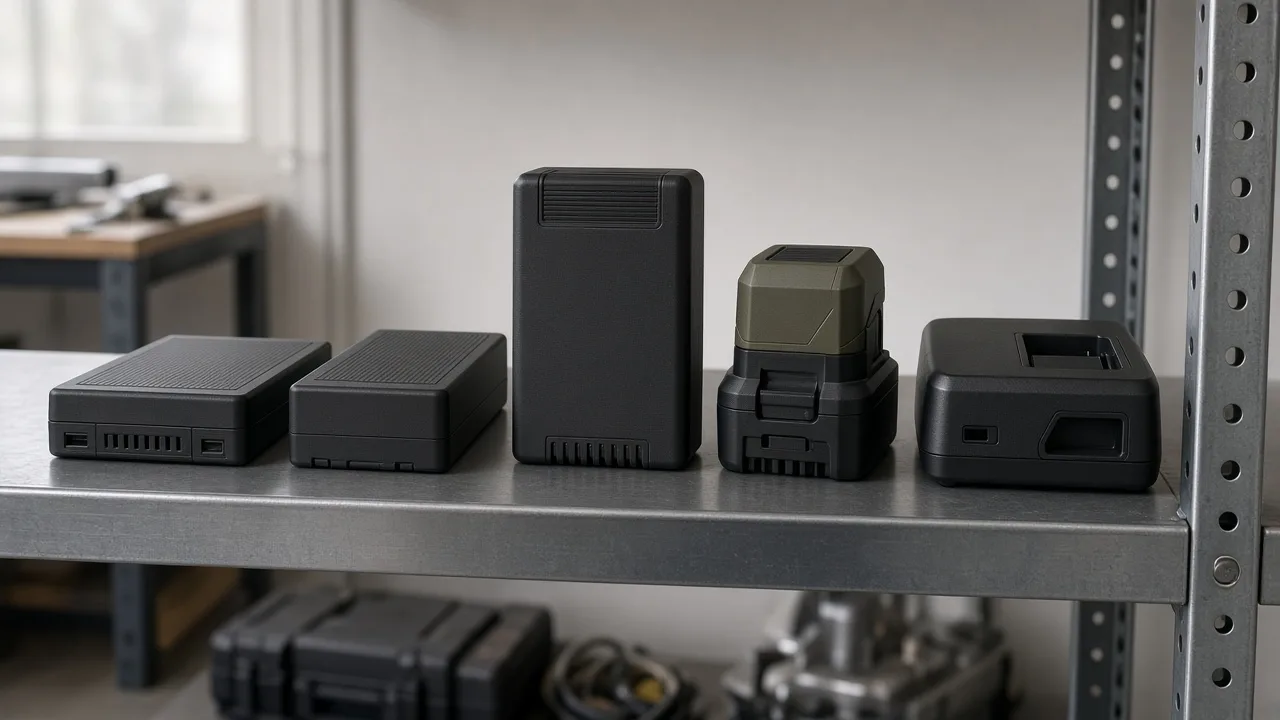
Lithium-ion batteries now power everything from phones and power tools to e-bikes and home backup units. Most of the time they are quiet, reliable and forgettable. Problems tend to appear when packs are stored carelessly, charged with the wrong equipment or left in places that get too hot. A few simple habits go a long way toward keeping batteries useful and keeping a household safe.
Pick the Right Place
Temperature is the single biggest factor in storage life. Most manufacturers recommend keeping lithium-ion packs somewhere cool and dry, roughly between 50 and 77 degrees Fahrenheit (10 to 25 degrees Celsius). A closet shelf or a cabinet in a climate-controlled part of the house is usually better than an uninsulated garage, where summer heat and winter cold can both stress the cells.
Avoid storing batteries in direct sunlight, in a parked car, next to a furnace or water heater, or near anything flammable such as paint thinner, gasoline cans or stacks of cardboard. Keep them off the floor in areas that might flood, and out of reach of small children and pets.
Store at a Partial Charge
A lithium-ion battery that sits fully charged or completely empty for months ages faster than one stored in the middle. For long-term storage, aim for roughly 40 to 60 percent charge. If you will not use a tool, camera or e-bike for a season, charge or discharge it to about half, switch it off, and check it every two or three months. Many devices lose a few percent per month even when off, and a deeply discharged cell can fall below a safe voltage and become unusable.
Use the Right Charger and Protect the Terminals
Always charge with the charger supplied with the device or one certified for it. Mismatched chargers can push the wrong voltage or current into the pack. Do not charge on a bed, sofa or pile of papers, because soft surfaces trap heat. If possible, charge on a hard, non-flammable surface and unplug once the pack is full rather than leaving it connected for days.
Loose batteries, especially spare camera or drone packs, should have their terminals covered with the plastic caps that came with them or a strip of non-conductive tape. Do not carry loose cells in a pocket or bag with keys and coins, which can bridge the terminals and cause a short circuit.
Know the Warning Signs
Retire a battery pack and do not charge it again if you notice any of the following:
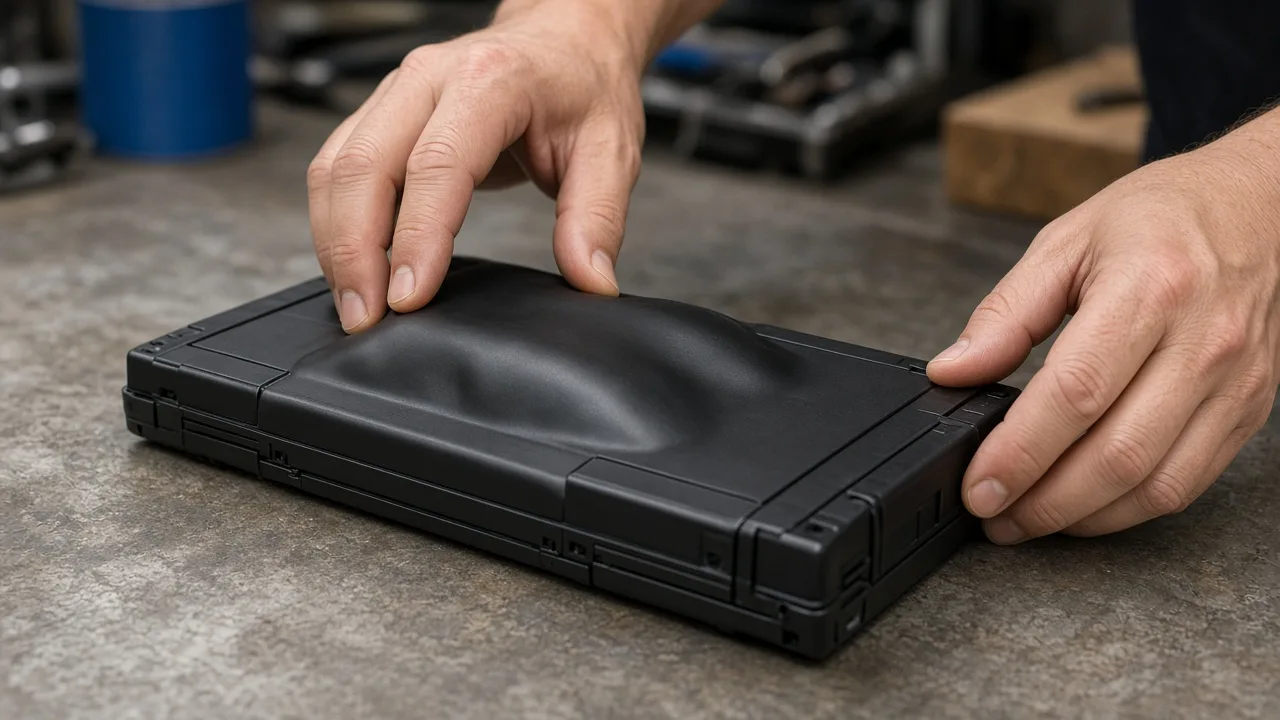
- Swelling, bulging or a case that no longer sits flat
- A hot smell, hissing sound, leaking fluid or visible corrosion
- Unusual heat while charging or while idle
- Physical damage such as a dent, crack or crushed corner after a drop
- Rapid loss of runtime compared with when the pack was new
Place a damaged pack in a non-flammable container, such as a metal can with dry sand or cat litter, away from the house, and contact your local household hazardous waste program for disposal instructions.
Dispose of and Recycle Responsibly
Lithium-ion batteries should never go in household trash or curbside recycling. Many retailers and municipal hazardous-waste facilities accept them, and national take-back programs list drop-off locations by zip code. Tape the terminals before dropping off a battery, and bring damaged packs to a facility that has confirmed it can handle them.
The Bottom Line
Safe storage is mostly common sense: keep batteries cool, dry and partly charged, use the correct charger, and take swollen or damaged packs out of service immediately. Those habits protect your investment, extend battery life and reduce the risk of the rare but serious failures that make headlines.
Comments are closed.