


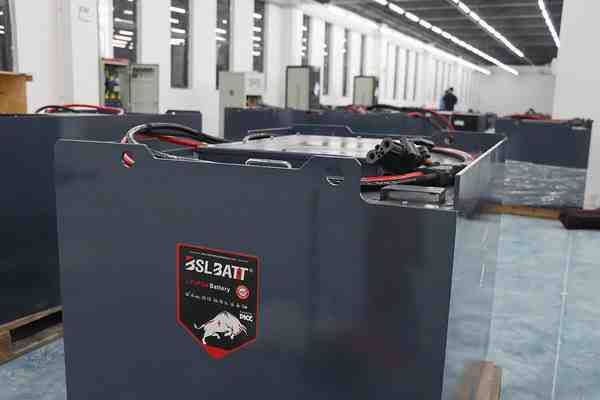
What is BMS (Battery Management System)?
BMS is a system that manages lithium-ion battery packs through integrated firmware and hardware. When paired with telematics, it provides real-time data on the status and health of the forklift’s battery. Lithium-ion batteries have many advantages compared to their lead-acid counterparts. They are lighter, more efficient, charge faster, and last longer. However, they are vulnerable to conditions that can damage the battery pack. Tapping into all this potential requires lithium-ion batteries to be more complex and include components to help with these damaging conditions. In fact, this is the main purpose of BMS, which means battery management system.
A common battery management system usually consists of functions such as:
Each of these components plays a role in protecting lithium-ion batteries from the many problems that can arise.
In this blog, we will emphasize the functions of the battery management system and explain why it is a necessary part of your lithium-ion battery.
Battery Balancer vs BMS for Lithium-Ion Battery Packs
Not all lithium-ion batteries have or need a battery management system. Some lithium-ion batteries use a battery balancer that only optimizes the cell voltage and protects against over and under current during charging.
Battery balancers are found in different lithium-ion battery applications such as laptop computers. The sole purpose of a battery balancer is to ensure that the cells in the battery have the same state of charge.
On the other hand, BMS is almost always used in batteries that power industrial equipment. A BMS is required to monitor important parameters such as environmental temperature or battery state of charge in operation.
Because lithium-ion cells differ in capacity when manufactured, each cell can be in a different state of charge.
A battery balancer and BMS will both distribute an equal charge to each cell in a lithium-ion battery. The downside to the battery balancer is that it has limited functionality compared to the battery management system. A battery balancer can not monitor other important parameters such as:
● Over-charging and over-discharging
Compared to a battery balancer, a battery management system can do more than just balancing the battery. BMS is designed to manage temperature variation, charging behavior, state of charge.
BMS has two ways to balance lithium-ion cells:
Active Balancing – BMS distributes charge from cells with high charge to cells with low charge.
Passive Balancing – BMS discharges the highly charged cells first and allows all cells to have the same state of charge.
Both methods balance the state of charge, but there are pros and cons for each. Balancing the charge in a multi-cell battery pack is essential to maximize cycle life. The BMS not only protects the forklift lithium-ion battery during charging, but also provides real-time data on the health and state of charge of the forklift battery.
Optimize Fleet Usage with Battery Management Systems
Battery management systems can ease the burden of in-house forklift fleet management by providing real-time data for preventative maintenance.
Paired with a telematics unit, data from the BMS can be accessed via the cloud to provide insight into forklift usage patterns.
Remote monitoring can find problems before they become catastrophic, reducing or eliminating truck downtime.
Because the BMS tracks temperature, charging status, and battery usage, extracting that data yields insight into warehouse operations. For example, a closer examination of the data may indicate the need to balance the workload on various forklifts or fix the charging behavior of the opportunity.
Understanding forklift battery data can help operations managers make informed decisions about how they can reduce the total cost of batteries in their fleet.
Maximize Forklift Fleet Uptime with BMS for Lithium-Ion Battery Packs
Lead-acid batteries do not have a BMS to help the forklift operator if something goes wrong with the battery.
Lead acid batteries require significant maintenance to maximize battery life. This creates unnecessary downtime that can disrupt productivity and increase labor costs.
Some maintenance steps may include:
● Watering the battery every one to two weeks
● Check the water to make sure it is between 5 and 7 on the pH scale
● Equalizing cells regularly and ensuring that the temperature is controlled throughout the charging process
Lithium-ion technology, on the other hand, can be maintained through a BMS. The BMS automates the process making it a big advantage over the potentially dangerous practice of equalizing the cost for lead acid batteries.
The battery management system will track the state of charge of the lithium-ion battery, and it will warn the forklift operator if the battery has a low state of charge.
BMS data can indicate potential problems that can be addressed before they become catastrophic. Battery management systems integrated with telematics technology can simplify fleet maintenance.
The capabilities of these battery management systems combined with the increased performance provided by lithium-ion technology, make lithium-ion batteries an attractive investment.
Keep Your Battery and Fleet Safe with BMS
There are many benefits to lithium-ion battery technology. But lithium-ion battery cells and conditions must be monitored, managed, and balanced to ensure safety and optimal longevity and efficiency.
The battery management system is the main component in the battery pack that monitors all these conditions. Above all, it keeps your battery operating safely and optimally so you can get out there and stay outdoors with peace of mind.

Comments are closed.